How do casinos use design to influence player behavior?
The Architecture of Temptation
The physical layout of a casino is intricately designed to maximize player engagement and spending. From the moment a guest enters, they are enveloped in an environment that encourages prolonged visits. The strategic placement of gaming tables, slot machines, and amenities like bars and restaurants guides players through the space, creating a sense of exploration and adventure. This design intentionality not only promotes interaction but also fosters an atmosphere of excitement and possibility.
Furthermore, the open floor plan aligns with the goal of reducing barriers that might deter players from engaging with the games. By eliminating sight lines to exits, casinos create a feeling of being ‘trapped’ in a positive sense, encouraging players to stay longer. The journey from one game to another feels seamless, often leading players to spend more time—and money—than they initially intended. For more understanding on this aspect, go to site.

Additionally, the flow of the casino floor is meticulously crafted, directing movement in a way that enhances interaction with various gaming options. The gentle curves and intentional pathways draw players into new gaming experiences they may not have initially considered, often leading them to discover new favorites. This thoughtful arrangement ensures that even the most casual visitors find themselves engaged, navigating through an exciting landscape of choices.
The Role of Color Psychology
Color schemes play a crucial role in influencing players’ emotions and behaviors. Bright, vibrant colors like red and gold are often used to evoke feelings of excitement and luxury, while softer, warmer tones can create a sense of calm and comfort. These color selections are not random; they are backed by psychological research that demonstrates their impact on mood and decision-making. Casinos aim to create an ambience that stimulates players to take risks and indulge in the thrill of gambling.
Moreover, areas designated for high-stakes games typically feature darker, richer color palettes, which can instill a sense of exclusivity and sophistication. This selective use of color not only reflects the value of the games but also entices players who are willing to risk larger amounts of money. As a result, these design choices can drive revenue by aligning aesthetic appeal with the desires and aspirations of casino patrons.
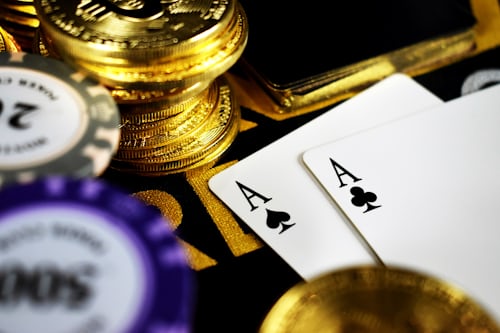
Colors also play an essential role in guiding player behavior and promoting specific actions. For example, green is often associated with wealth and is frequently used in areas of winnings and payouts. Upon seeing these inviting colors, players may feel a subconscious urge to engage more with the environment, convinced that their fortunes could change at any moment. This psychological engagement encourages not only participation but drives the gaming experience forward.
Lighting: The Illusion of Time
Lighting is a fundamental element in casino design, expertly crafted to influence player behavior. Bright, focused lighting is commonly used around gaming areas to keep players alert and engaged, while dimmer, softer lighting in lounges and bar areas encourages relaxation and socialization. This strategic variation in lighting can subtly manipulate a player’s sense of time and urgency, making it easier for them to lose track of how long they have been playing.
Additionally, the absence of windows and clocks further compounds this illusion. By creating an environment devoid of external time cues, casinos can enhance the immersive experience. Players are more likely to stay engaged with games when they feel they are in a timeless bubble, effectively increasing the duration of their stay and overall spending in the casino.
This manipulation of time perception goes hand in hand with the overall casino atmosphere. Players often become so engrossed in the engaging lighting and surroundings that they forget about external commitments, allowing hours to slip by unnoticed. This phenomenon can lead to longer betting periods, benefiting the casino while ensuring guests are immersed in the excitement long after they enter the establishment.
Sensory Overload: Sound and Scent
Casinos are designed to engage all five senses, but sound and smell particularly stand out in their influence on player behavior. The typical cacophony of slot machines, cheers from winning tables, and upbeat music are all engineered to create an environment filled with excitement and urgency. This auditory landscape encourages players to participate and maintain a high level of engagement, often leading to increased betting activity.
In addition to sound, the use of scent can play a surprising role in shaping emotions and behaviors. Many casinos incorporate pleasing fragrances, which can evoke positive feelings and enhance mood, creating a welcoming atmosphere. The combination of desirable scents with the sounds of a bustling casino can lead to extended periods of play, as players subconsciously associate these sensory experiences with enjoyment and satisfaction.
Interestingly, research has shown that specific smells can influence the amount of time players choose to stay engaged with a game. For example, scents associated with fresh greenery or sweet desserts have been found to evoke feelings of happiness and comfort, motivating players to remain in the environment for longer durations. This multi-sensory interaction ultimately enriches the player’s experience and deepens their connection to the casino setting.
Website and Further Resources
For additional insights into the design strategies employed by casinos, consider exploring comprehensive resources and studies that analyze their environments. Websites dedicated to gaming architecture and behavioral studies can provide in-depth perspectives on how these design elements converge to influence player choices and experiences. Moreover, browsing online can offer a wealth of information on how these principles are applied across various entertainment venues, not just casinos.
Understanding the nuances of casino design can enrich your appreciation for the thought and care that goes into these spaces. Whether you’re a casual visitor or a serious gamer, recognizing these strategies can enhance your own gaming experience and awareness of the surroundings. By engaging with educational materials, you gain a richer understanding of the interplay between architecture, design, and human behavior.
In summary, the intricate interplay of elements such as layout, colors, lighting, and sensory experiences all coalesce to create a unique environment where players can immerse themselves. This profound understanding not only informs us about casinos but also highlights how environments can be designed to attract and retain attention, enhancing the overall experience for visitors in diverse settings.