Media reports on military contractors often feel like a high-stakes thriller, pulling back the curtain on a world of massive budgets and global influence. Following these stories is key to understanding the real-world impact of modern defense spending and policy.
Scope and Scale of Military Contractor Media Reports

The scope of military contractor media reporting encompasses a wide range of activities, from routine procurement announcements and contract awards to complex investigations into operational performance and ethical breaches. The scale is vast, covering global supply chains, multi-billion-dollar programs, and technological frontiers like cybersecurity and autonomous systems. Expert analysis must therefore differentiate between routine business updates and reports with genuine geopolitical or financial impact, focusing on regulatory compliance and long-term program viability over sensational headlines. This discernment is crucial for stakeholders assessing risk and corporate reputation.
Q: What is the most common oversight in interpreting these reports?
A: Failing to distinguish between a one-time contractual award and a sustained, profitable program of record, which is the true indicator of a contractor’s financial health.

Defining the “Military Contractor” in News Contexts
The scope and scale of military contractor media reports are vast, covering everything from multi-billion-dollar fighter jet contracts to niche cybersecurity tools. These reports analyze corporate earnings, geopolitical impacts, and technological breakthroughs, creating a complex web of financial and strategic news. For investors and policymakers, understanding this **defense industry media coverage** is crucial, as it shapes public perception and influences stock prices based on everything from congressional budget hearings to battlefield performance.
Volume and Prominence of Coverage Across Outlets
The scope and scale of military contractor media reports are vast, covering everything from billion-dollar **Pentagon contract awards** to controversial battlefield performance. These reports range from niche trade publications to major financial and global news outlets, each with its own audience and angle. The sheer volume of information makes it a challenge to track the **defense industry news cycle** comprehensively. For a clear picture, it’s crucial to follow both specialized defense journals and mainstream analysis to understand the full impact of these corporate entities on global security and policy.
Predominant Narrative Frameworks
Predominant narrative frameworks in English, such as the three-act structure or the hero’s journey, provide the essential scaffolding for coherent storytelling. These models are not rigid formulas but foundational blueprints that shape audience expectation and emotional payoff. A key consideration for any writer is to understand that these frameworks are tools for effective communication, not creative constraints.
Mastering these established patterns is crucial, as it allows a writer to strategically meet or subvert narrative conventions for maximum impact.
Ultimately, leveraging these frameworks ensures your core message is delivered with clarity and resonance, which is fundamental for reader engagement and narrative success.
The “Necessary Force Multiplier” Narrative
In the grand story of human communication, predominant narrative frameworks are the invisible architecture shaping our tales. From the classic three-act structure of setup, confrontation, and resolution to the timeless hero’s journey, these patterns provide a familiar map for both creator and audience. This foundational story structure is crucial for crafting compelling narratives that resonate across cultures and mediums, offering a reliable path through the wilderness of plot.
The “Cost and Oversight” Scandal Narrative
The stories we tell shape our world, and in English, a few **predominant narrative frameworks** provide the essential scaffolding. The timeless hero’s journey charts a path from call to adventure to triumphant return, while the three-act structure imposes a satisfying rhythm of setup, confrontation, and resolution. These foundational story structures are crucial for **effective content marketing strategies**, as they create familiar arcs that engage audiences, build empathy, and make complex ideas resonate on a deeply human level.
The “Shadow Army” or Accountability Narrative
Predominant narrative frameworks are the basic blueprints storytellers use to structure their tales. Think of them as reliable recipes, like the Hero’s Journey, where a character leaves home, faces trials, and returns transformed. These classic story structures are powerful because they tap into universal human experiences, making complex plots feel satisfying and familiar. Understanding these core frameworks is essential for **effective story structure**, whether you’re writing a novel, a film, or a compelling brand message.
Key Reportorial Challenges and Criticisms
Reporters today face a dizzying array of challenges. The 24-hour news cycle creates immense pressure to publish first, sometimes at the expense of deep verification, leading to errors. Navigating media bias accusations from all sides is a constant struggle, as is combating the rapid spread of online misinformation. Financially, shrinking newsrooms mean fewer journalists are doing more work, limiting investigative depth. Critics often highlight sensationalism, where dramatic stories overshadow important but complex issues, and a lack of transparency about sources. Building and maintaining public trust in this environment is perhaps the greatest challenge of all.
Opacity and Classification Barriers
Key reportorial challenges include combating misinformation in a saturated digital landscape while maintaining public trust. Journalists face immense pressure for speed, often at the expense of depth, and must navigate complex ethical dilemmas around privacy and bias. A primary criticism is the perceived erosion of objective journalism, fueled by economic models prioritizing engagement over accuracy. To ensure long-term credibility, **building a sustainable news ecosystem** requires recommitting to rigorous verification and transparent sourcing, even when it conflicts with audience expectations or algorithmic incentives.
Reliance on Official and Corporate Sources
Key reportorial challenges center on the relentless pressure for speed, which often compromises depth and accuracy, and the pervasive struggle against misinformation in a fragmented media ecosystem. Major criticisms include perceived bias, both ideological and corporate, and the erosion of public trust. To overcome these hurdles, **ethical journalism practices** are the essential foundation, requiring unwavering commitment to verification, transparency, and intellectual fairness above the clamor of the 24-hour news cycle.
Geographic and Linguistic Access Issues
Key reportorial challenges include navigating the intense pressure for speed in the digital news cycle, which often compromises verification and depth. Journalists face significant access restrictions from powerful institutions and must combat pervasive misinformation. Criticisms frequently center on perceived bias, lack of transparency in sourcing, and the ethical dilemmas of covering trauma. The relentless pursuit of clicks can undermine traditional journalistic standards. These factors contribute to a growing public distrust in media, making the fight for credible news sources more critical than ever.
Impact of Reporting on Policy and Public Perception

The steady rhythm of news reports does more than inform; it carves the channels through which public opinion flows and policy is formed. A relentless focus on a specific crisis, from a local environmental hazard to a national health scare, builds a narrative that lawmakers cannot ignore, often translating directly into legislative action. This media spotlight shapes the public perception of an issue’s urgency and importance. It is through this daily chronicle that abstract statistics become compelling human stories. Consequently, the agenda-setting power of consistent reporting acts as a silent partner in governance, holding a mirror to society and, at times, guiding the hand that writes the laws.
Influencing Congressional Oversight and Hearings
Investigative reporting and data-driven journalism have a profound impact on both policy formulation and public perception. By uncovering critical issues and framing public discourse, the media can pressure lawmakers to enact new regulations or reform existing systems. This agenda-setting function directly influences what the public considers important, shaping societal attitudes and priorities. Ultimately, high-quality reporting serves as a cornerstone of informed democratic engagement, driving accountability and civic action. The role of media in shaping public opinion remains a fundamental pillar of a functioning society.

Shaping Public Understanding of Modern Warfare
Investigative reporting serves as a powerful policy change catalyst, directly shaping legislative agendas by exposing systemic failures. This agenda-setting function forces officials to address public concerns, transforming obscure issues into urgent priorities. Consequently, media narratives profoundly influence public perception, building consensus for reform or eroding trust in institutions. Sustained, accurate coverage is therefore indispensable for an informed democracy, bridging the gap between citizen awareness and governmental action.
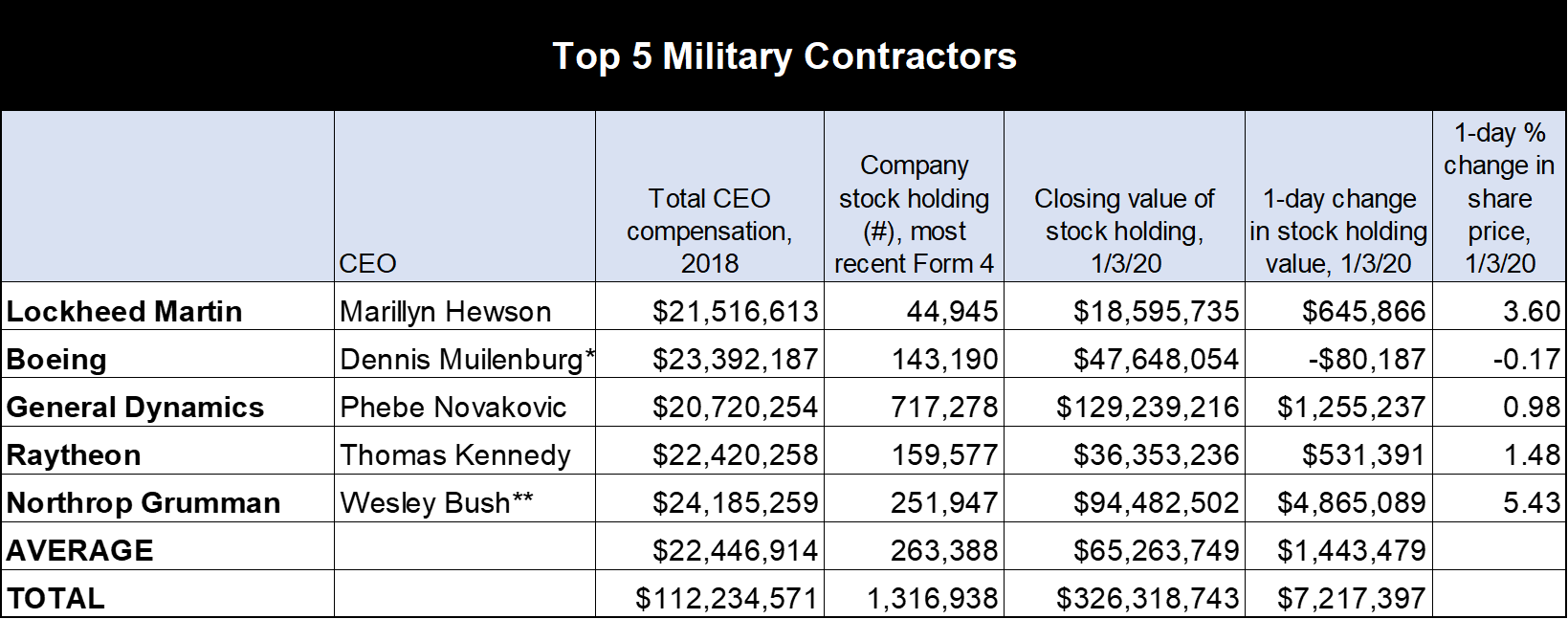
Market Reactions and Contractor Stock Prices
Investigative reporting acts as a powerful policy catalyst, directly shaping legislative agendas and regulatory reforms. By bringing systemic issues to light, it forces official response and drives meaningful legislative change. This media influence also fundamentally alters public perception, framing how communities understand complex issues. The constant news cycle can simplify narratives, but deep, factual reporting builds the informed citizenry essential for a functioning democracy.
Evolution of Coverage in Recent Conflicts
The evolution of coverage in recent conflicts tells a story of profound transformation. Gone are the days of waiting for the evening news; today’s narratives unfold in real-time across social media feeds and encrypted apps. This shift grants unprecedented access to frontline perspectives, yet it also creates a fragmented information ecosystem. The relentless 24-hour cycle and the rise of algorithmic news curation challenge traditional gatekeeping, often amplifying confusion alongside clarity. While citizen journalism brings raw immediacy, it underscores the enduring need for verified conflict reporting to separate signal from noise in the digital fog of war.
From Iraq and Afghanistan to Ukraine
The evolution of coverage in recent conflicts has shifted from curated broadcasts to a raw, decentralized stream. Where once a few networks framed the narrative, smartphones and satellite internet now flood the digital landscape with unfiltered perspectives from civilians and soldiers alike. This democratization of war reporting creates an immersive, often chaotic, information battlefield where verification lags behind virality. Navigating modern conflict zones requires discerning **real-time crisis communication strategies** to separate signal from noise.

The Shift to Cyber and Logistics Contracting
The evolution of coverage in recent conflicts highlights a shift from traditional journalism to a fragmented digital battlefield. Real-time social media and user-generated Best companies for veterans content now compete with official reports, creating a complex information ecosystem where verification is paramount. For strategic communication, mastering this modern media landscape is essential. Media literacy for consumers is now a critical defense against misinformation. Navigating this new terrain requires a sophisticated understanding of digital verification tools and source triangulation to ensure reporting accuracy.
Increased Focus on Legal and Ethical Boundaries
The evolution of coverage in recent conflicts marks a shift from traditional media dominance to a fragmented digital landscape. Citizen journalism and social media platforms now provide raw, immediate footage, challenging official narratives and accelerating the news cycle. This democratization of information, however, is accompanied by sophisticated disinformation campaigns and algorithmic curation, making verification a primary challenge for conflict reporting. Navigating this complex media ecosystem is essential for understanding modern warfare.